SOME FACTS ABOUT INDIA
1. There are 22 recognised languages in India.
Santali, Kashmiri, Bengali, Tamil, and Urdu are among the many languages spoken in India. The official languages, however, are English and Hindi. Because most Indians speak their regional language as well as English for easier communication, India boasts the world's second-largest population of English speakers (the first being the United States). Sanskrit is known as the "mother of all languages" since it is the world's oldest language. Every Hindu text is written in Sanskrit, and it is supposed that the demi-Gods speak Sanskrit.
2. It is the world's second-most populated country.
India has a population of around 1.37 billion people, second only to China...

and the number continues to rise. By the year 2050, India is expected to have surpassed China as the world's most populous country.
3. The majority of Indians eat with their fingers solely.
4. A village with no locks or doors may be the safest on Earth

5. "Indian food" has become one of the world's most popular cuisines.
Indian cuisine has expanded around the world, from London to New York City,
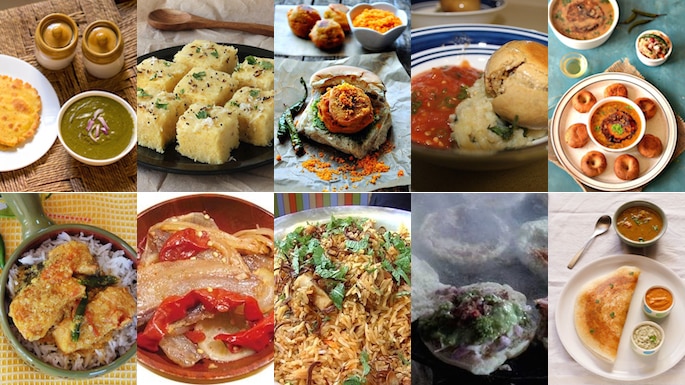
and it continues to grow in popularity. Many people believe that true Indian flavour and spice are lost in many establishments outside of India.
6. India boasts the world's largest vegetarian population.
Between 15 per cent and 30 per cent of India's population is vegetarian, while many others eat just fish and no land animals. Vegetarianism is so widespread that even western fast food businesses such as KFC provide a vegetarian menu to their customers.
7. There are a LOT of holidays to choose from.
Independence Day, Deepavali, Holi, and Christmas are among the 26 national holidays observed in India this year. The diversity of festivities stems from the fact that India's population is made up of people from many various cultural backgrounds, resulting in a variety of holidays and festivals.
8. Holi is much more than a festival of coloured powder.
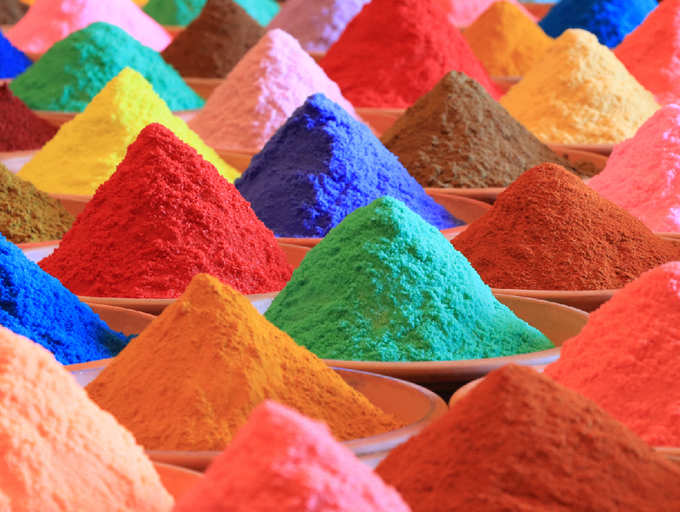
Holi, or the Holiday of Colors, is a Hindu spring festival celebrated in India and Nepal. Holi is named after "Holika," the demon King "Hiranyakashyap's" sister, and it represents the triumph of good over evil. It also signals the conclusion of the winter season and the arrival of spring. While the festival is known for its bright powders, water is also a key component of the celebration, as many people utilise water balloons to have water battles with their friends and family. Holi is now celebrated by Hindus all around the world, in addition to being a national festival in India.
9. India is the home of the world's biggest sundial.
The world's largest sundial, standing at 27 metres (90 feet), may be found in the city of Jaipur! If that wasn't enough, the sundial is made of gorgeous polished stone, resulting in an architectural masterpiece. A UNESCO World Heritage Site, the sundial has been designated. Thousands of tourists go to the site each year to see the shadow move at a speed of roughly six millimetres each minute.
10. The Taj Mahal's hue is gradually shifting.

The Taj Mahal, perhaps India's most famous landmark, has breathtaking white walls that practically every tourist dreams of visiting. However, as a result of pollution and pollutants in the air, the marble walls are gradually becoming yellow.
Comments